January 24, 2022

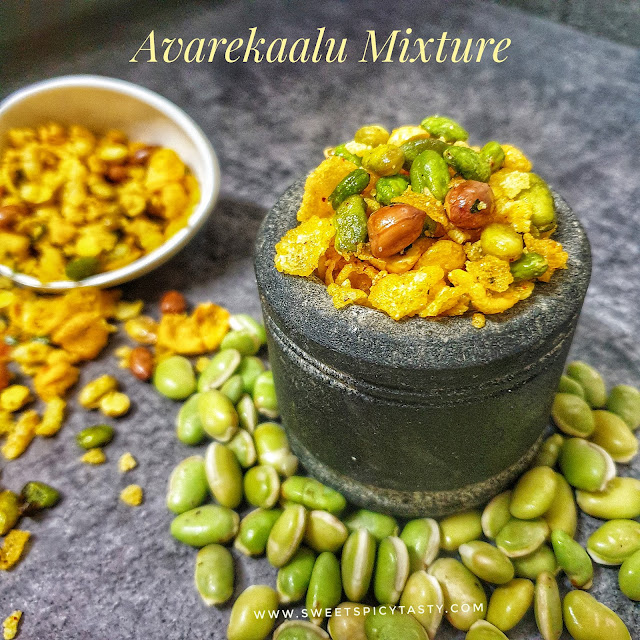
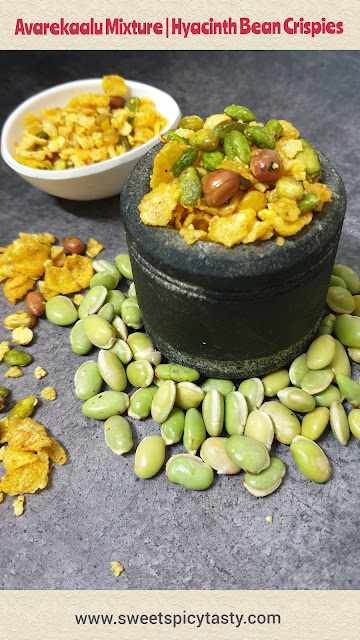
Avarekaalu Mixture | Hyacinth Bean Crispies


Share with friends and family 5 comments:

 Avarekaalu Mixture is a speciality of Karnataka prepared by deep frying fresh hyacinth beans /avarekaalu . This tea time snack is very  very addictive and pairs well with piping hot filter coffee or Masala Tea .  

Fresh Avarekaalu is a delicacy and people's favorite in karnataka and is widely used in many recipes during the winter season.  I have tasted this yummy mixture in many occasions and from then it has been on my mind to try it at home .

Avarekaalu Akki roti , Avarekaalu Uppit are 2 of my favorites made from fresh hyacinth beans which are a must have in the season atleast couple of times .
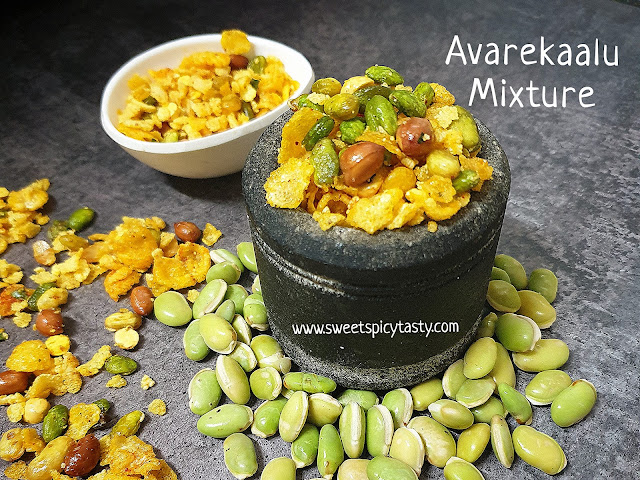
This time around I got some really fresh and tender hyacinth beans and the weather was also just perfect to prepare and munch on.

There is no particular or hard and fast recipe to prepare this mixture, its purely eye ball measures and ingredients of your choice.  

Only one thing we need to take care is to soak the fresh avarekaalu for about 3 to 4 hrs in water and peel the outer skin before making the mixture. This is called Hithkidha Avarekaalu .
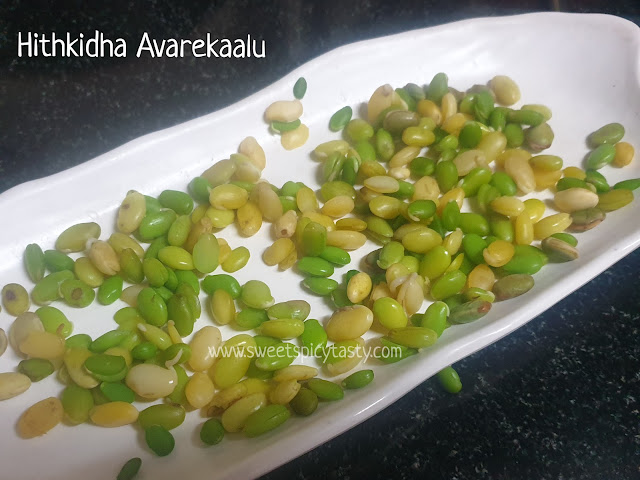

How to prepare Hithkidha Avarekaalu /Hithkidha Avarebele ? 

Soak the freshly peeled avarekaalu from the pods in a wide bowl containing water for 4 t 5 hours. Drain the water and press the beans between your fingers lightly and viola,the skin just comes off . Discard the skin and spread the peeled beans on a wide tray or on a cotton muslin cloth for the moisture to be absorbed before making the mixture. 
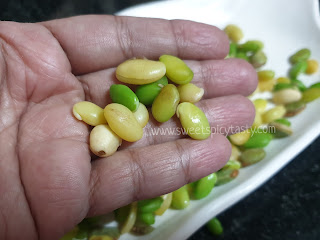


Preparation Time - 4 to 5 hrs

Frying time - 20 mins

Complexity - medium 

Ingredients 

1.5 cups hithkidha avarebele
1/4 cup groundnuts
3 to 4 tbsp roasted gram /hurigadle/pottu kadlai
1/2 cup thick poha /avlakki/aval 
1 cup raw corn flakes /makai poha 
Fresh curry leaves 
1/2 tsp turmeric
1 tsp red chilli powder
1/2 tsp powdered sugar 
Salt as needed
Pinch of asafoetida 
Oil to deep fry

Method 
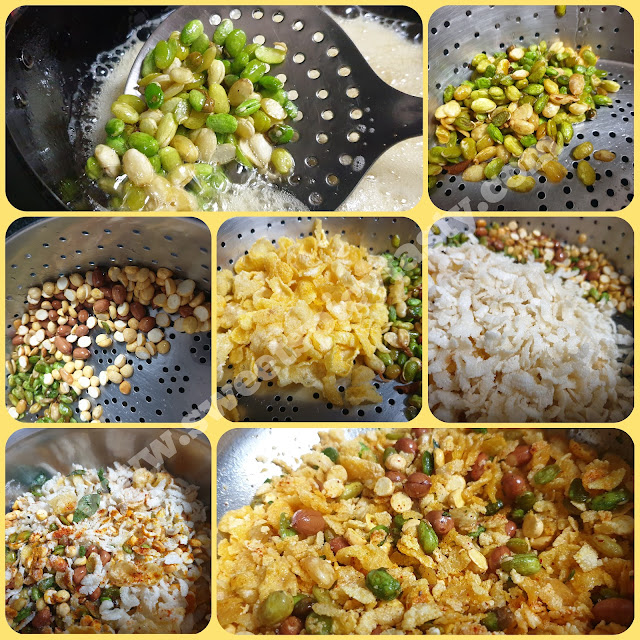

  • Heat oil a deep kadai /wok .
  • First add the hithikdha avarebele and fry until it turns crisp and moisture free. Initially while frying ,it will remain at the bottom of the kadai and as the frying continues the avarebele will start floating on top . Once all the avarebele start floating on top,the oil will stop hissing and sizzling.  This indicates that the avarebele are fried well ..drain the slowly onto a colander .
  • Next fry the peanuts until crisp and golden brown followed by the roasted gram and curry leaves .
  • Fry the makai poha till they turn crisp and fluffy. 
  • Lastly fry the avlakki and drain it out .
  • In a wide mixing bowl,gently toss all these fried ingredients along with turmeric, chilli powder, salt,asafoetida, powdered sugar .
  • Delicious avarebele mixture is ready to be enjoyed !

Some more mixture varieties on my blog 

Cornflakes chiwda

Poha Chiwda

Sabudana Faraaali Chiwda

Diwali Spl Mixture (Madras Mixture)


Pinned me yet ? 


January 10, 2022

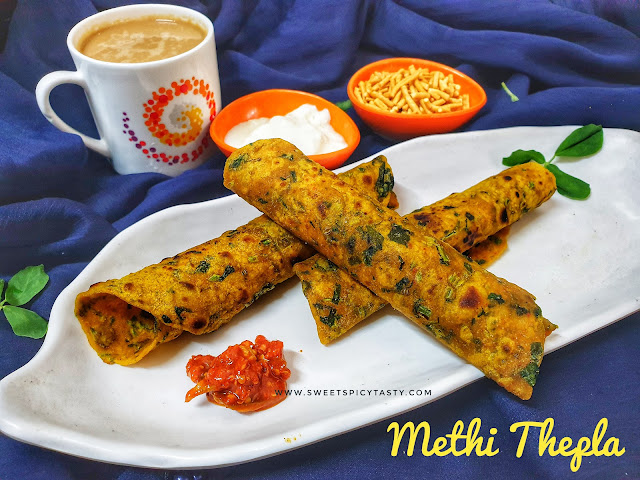
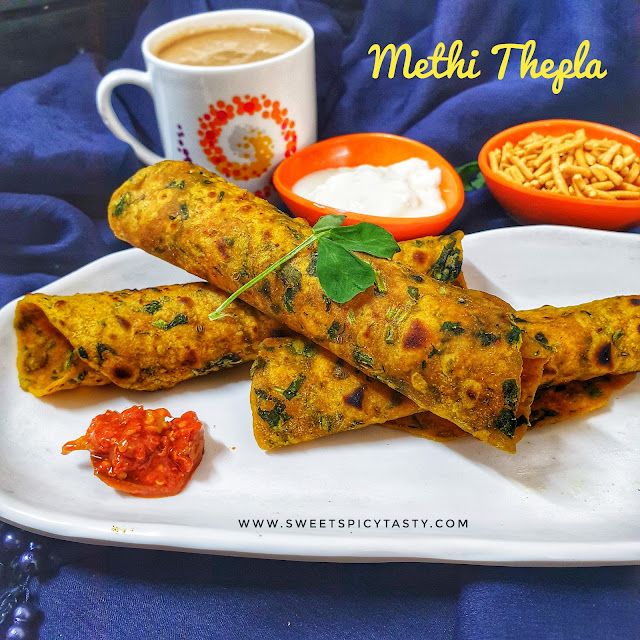
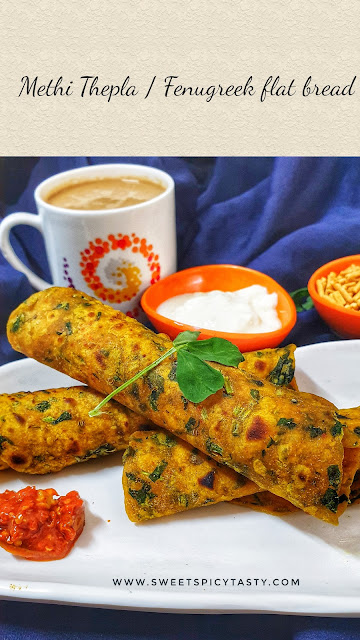
Methi Thepla | Fresh fenugreek flat bread


Share with friends and family 7 comments:

A typical gujurati breakfast on a winter morning will comprise of piping hot thin methi theplas served with spicy mango pickle, curd and aromatic steaming hot masala chaai .

I am sure this description is making you drool right away ! I had already posted a recipe of Kasuri Methi theplas which are made from sun dried fenugreek leaves during off season when fresh fenugreek isn't available. Today we shall see how to make the tastiest and perfect methi theplas using fresh fenugreek leaves .

Methi theplas make a very frequent appearance in my home during winters.We love to have hot hot theplas for dinner alongside some simple gravy or even plain dal but the best combo for theplas is potato curry if you are having it for dinner or packing it for a picnic lunch .

Separating the tender methi leaves from the stem is the only time taking part which we need to do very patiently.  If the stem is tender and thin,then I chop that also finely along with the leaves but make sure you discard the stem of they are too thick . Thick stems will make it difficult while rolling out the theplas and the theplas will tear which we don't want.  


Preparation Time : 10 -15 mins
Resting Time : 15 mins
Cooking Time : 2 mins per thepla
Makes : 13-14 theplas
Complexity  : Medium

Ingredients
2 cups whole wheat flour
2 tbsp curd
2 tbsp besan / gram flour
1/2 tsp ajwain/carom seeds 
1 tsp haldi / turmeric
1 tsp red chilli powder
1 cup packed - finely chopped fresh methi 
Salt as needed
Oil to fry the theplas

Method


  • In a wide mixing bowl add in the haldi powder , red chilli powder ,ajwain and salt to the chopped methi and mix it well with your fingers to release the flavor and essence of methi .
  • Add  wheat flour,gramflour, 1 tablespoon oil,curd to the methi and knead a soft but pliable dough by adding water at intervals . 
  • Methi when mixed with salt and spices will release some water ,so be careful while you add water to knead the dough. Just sprinkle water little by little and knead.
  • Coat it with some oil and knead again and keep covered with a tight lid or a muslin cloth and set aside for 15 mins. 

  • Pinch out small balls from the dough , dust it with some dry wheat flour and roll it into thin rotis using a rolling pin.
  • Heat a tawa or griddle and put the rolled out thepla on the hot tawa .
  • Cook on one side with a little oil and flip over.  Do it on low flame. 
  • Drizzle some more oil and cook the under side until it is well cooked.
  • Use oil little generously if you want to keep the theplas for 3 or 4 days . The oil will ensure the theplas won't get spoilt. 
  • Take it off the pan and store it in a dry container or wrap in aluminum foil .

Some more lipsmacking delicacies using Fresh Methi 

Methi na Gota (pakoras)

Cabbage Methi Pakoras 

Methi Puri 

Methi Dal 

Aloo Methi Sabji


Donot forget to pin me up :-) 


January 09, 2022

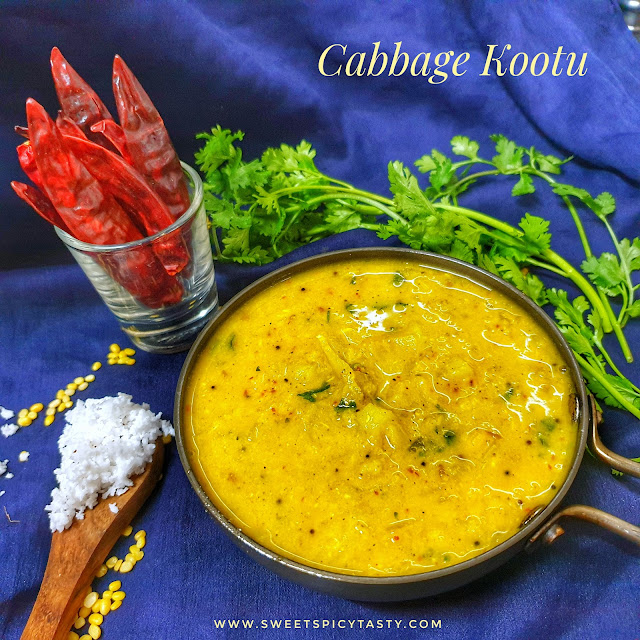
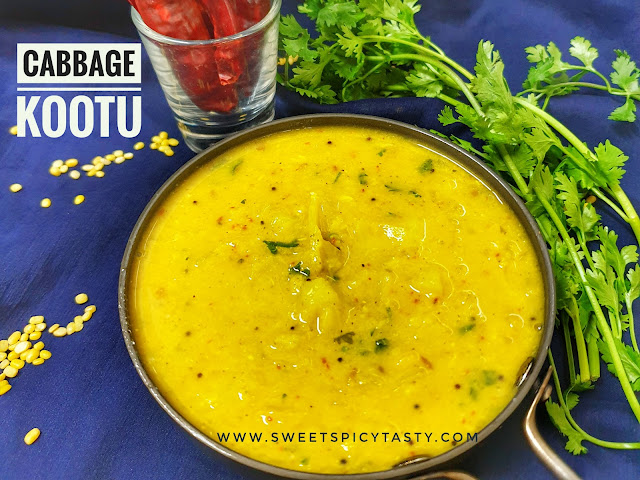
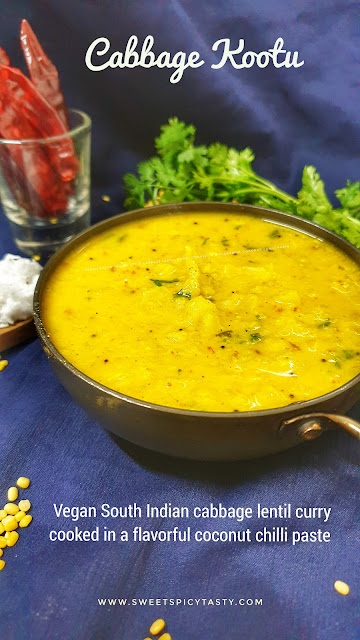
Kos (Cabbage) Kootu | South indian style cabbage lentil curry


Share with friends and family 14 comments:

 Winter is the best time to enjoy and relish fresh vegetables.  These days though almost all vegetables are available year round ,there is always something special about buying and cooking winter special veggies .  Cabbage and carrots are my most fav winter vegetables. 

My favorite for lunch time would be the yummy mildly spiced Cabbage kootu which mom would serve with hot rice ,ghee and roasted papad .

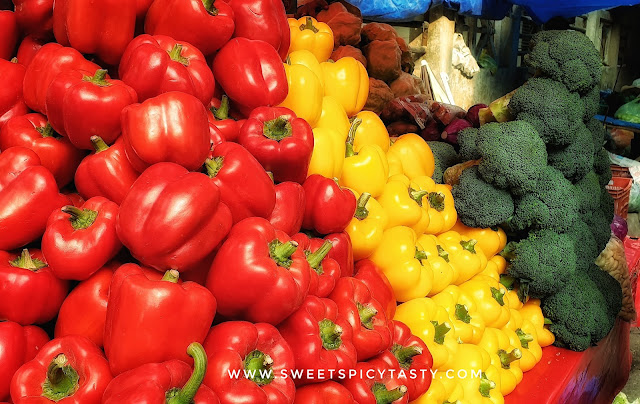
As a child,I would love to visit the vegetable market with my mom to enjoy the beautiful display of crisp fresh winter produce namely radishes, cabbages,cauliflower,  spinach (palak), fresh methi (Fenugreek) ,capsciums,carrots , broccoli etc . The vendors would have stacked them so perfectly that one would not feel like disturbing the stack .

Gajar would be bought unfailingly to make garma garam gajar halwa and methi ,cabbage ,cauliflower would also join the band wagon to get transformed into yummy methi theplas , gobhi parathas , pakoras etc .

This month in our food group Shhh cooking secretly, we had decided on Healthy Cooking as the theme . I was paired with Anu Kollon of Ente Thattukada and we exchanged our secret ingredients to dish out our healthy recipes . Anu has dished out green peas egg stir fry which I am sure will be a hit with egg lovers and I chose to make this humble and protein packed Cabbage Kootu which is a family favorite at my place.  Hubby loves to have paruppu podi rice and cabbage kootu while I love to have kootu rice and papads with some pickle or cool Vellarikaai Pachadi in summer .


Preparation Time - 15 mins
Cooking Time - 20 mins
Serves - 2 to 3 
Complexity - easy 

Ingredients 
2 cups chopped cabbage 
1/2 cup frozen or fresh peas 
1/2 cup moong dhall/paasi paruppu 
4 - 5 tbsp fresh grated coconut
1tsp jeera 
1/2 tsp pepper corns 
3 to 4 dry red chillies 
1 tsp coconut oil 
1 tsp mustard seeds 
Pinch of turmeric
Salt as needed 
pinch of asafoetida 
Few fresh curry leaves 

Method 

  • Wash the moong dhall thoroughly and pressure cook with 2 cups water and pinch of turmeric until soft and mushy .
  • Boil the cabbage and peas in a deep pan with water and some salt .
  • Grind the coconut, red chillies,  jeera,pepper into a fine paste .
  • Add this ground paste to the cooked cabbage and bring to a rolling boil then add the cooked moong dhall to this cabbage and mix well . Adjust salt if needed 
  • Add 1/2 cup water and bring to a rolling boil while you keep stirring the kootu else it will get burnt easily because of coconut paste .
  • Prepare a tempering of mustard seeds and curry leaves in coconut oil and pour over the kootu . Mix the tempering and serve hot with rice. 
  • Goes well with rotis too .


Have you pinned me ?


December 20, 2021

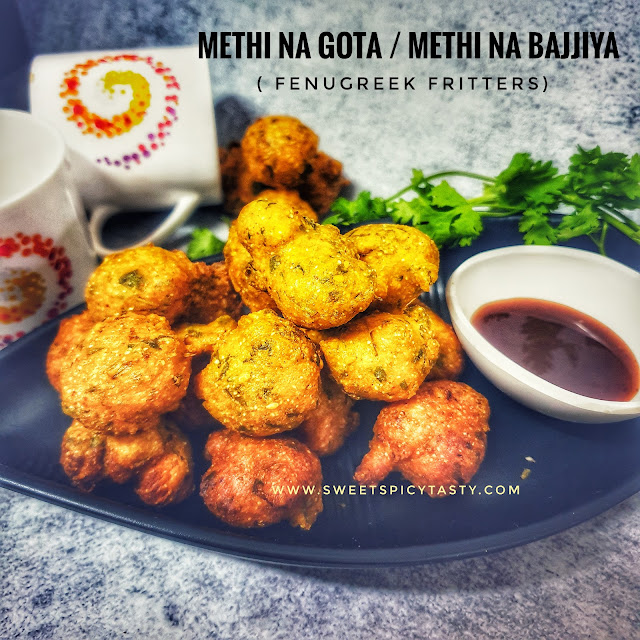
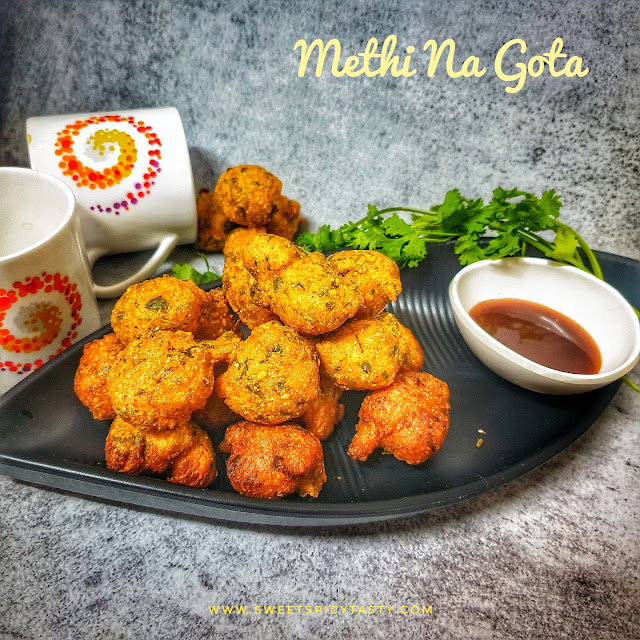
Methi na Gota | Methi Pakora | Fenugreek Fritters - Gujurati cuisine


Share with friends and family 14 comments:

 Methi na Gota / Methi Bajjiya or methi na pakora is a classic winter delicacy and a popular Street food in Gujurat and Bombay. Even though fresh fenugreek is now available all round the year, there is always a special place for the tender and fresh methi available during winters.

Methi na gota doesn't require any fancy ingredients or preparations as we will invariably have the ingredients in our pantry supply . The main ingredients are gram flour/besan and sooji/semolina with added spices and fresh fenugreek leaves .

I have had these amazingly tasty and delicious pakoras many a times since my childhood.  Come winters,  these methi gotas are always a part of the meal or as tea time snack in most gujju homes .  Carrot halwa and methi na gota are inseparable delicacies during winter. 

Crispy from outside and spongy from inside,these fenugreek Fritters are a perfect treat  on chill evenings and makes it an awesome appetiser or party pleaser option for all kinds of parties and holiday get togethers .

You may serve them with Dates Tamarind Chutney and Green chutney or even a cup of piping hot masala tea makes it an enjoyable experience with friends and family .


Preparation Time -15 mins
Frying Time- 20 mins
Complexity - Simple 
Serves - 3 to 4

Ingredients 
1 cup gram flour/ besan
1/4 cup semolina/rava
1/2 cup finely chopped methi Leaves
1/4 cup finely chopped corriander 
1 tsp grated ginger
1/2 tsp turmeric 
1 tsp red chilli powder 
1 tsp white sesame seeds 
1/4 tsp jeera/cumin
1/2 tsp sugar
Juice of 1/2 lemon
Salt as needed 
1/4 tsp cooking soda 
Water to make the batter 
Oil to deep fry 

Method 


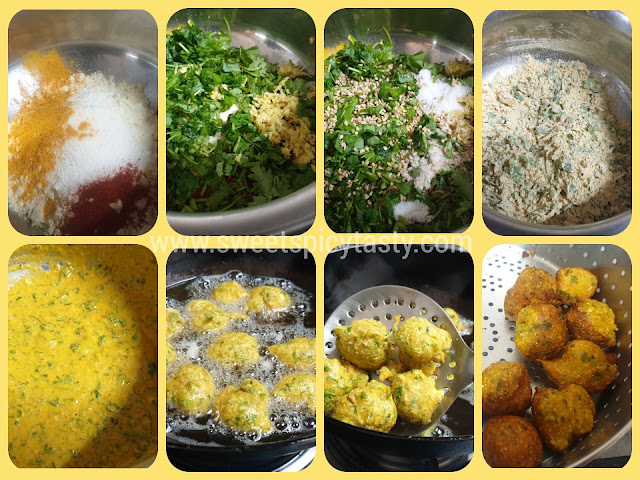
  • In a wide mixing bowl,mix the gram flour,salt,semolina, turmeric and red chilli powder. 
  • To this add the freshly chopped corriander, methi ,ginger and sesame seeds .
  • Mix it well with a spoon and make a batter of dropping consistency by adding water little by little .whisk it well to form a lump free batter.
  • Let the batter rest for 10 mins while you heat up the oil for frying.
  • Just before frying add the lemon juice,  soda and sugar . Whisk the batter quickly and drop small balls of batter in the hot oil . Donot over crowd the frying pan.  Fry on medium flame until they turn crispy and golden brown.
  • Drain the pakoras carefully and serve hot with chutney and tea.  

Some more must have winter delicacies 

Gajar Halwa / Carrot Halwa 

Doodhi (bottle gourd) Halwa 

Doodhi Muthiyas (steamed)

Cabbage Methi Pakoras 

Methi Pooris 

Methi Dal 

December 18, 2021

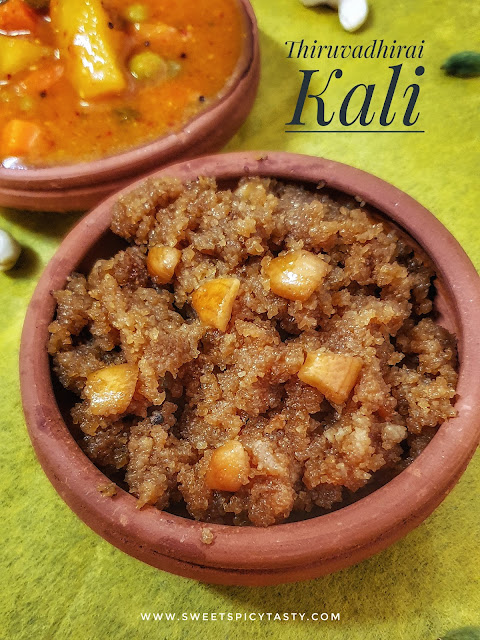
Thiruvadhirai Kali - Traditional prasadam for Lord Shiva


Share with friends and family 5 comments:

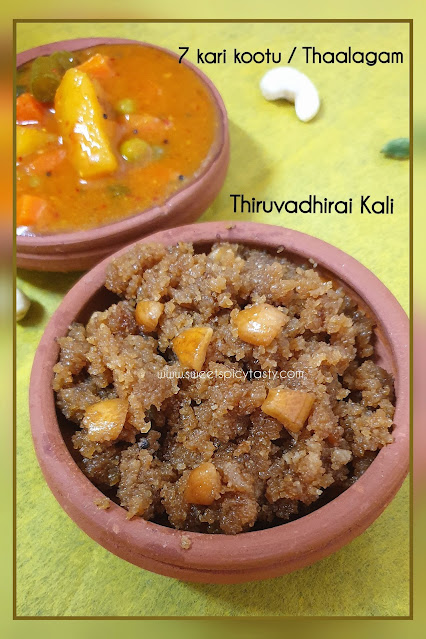
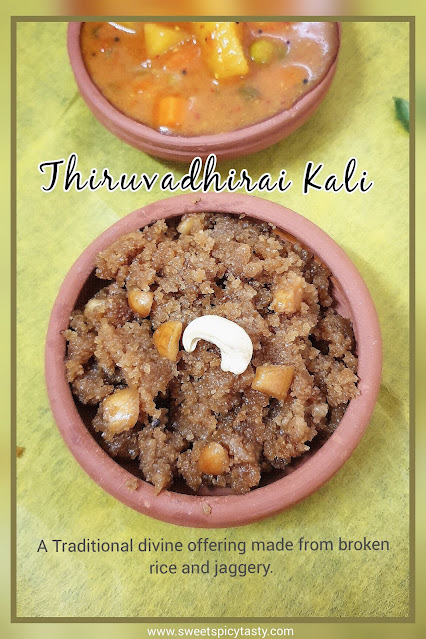
 Thiruvadhirai Kali is a special offering made to lord shiva / Nataraja in the holy Tamil month of Dhanur /Margargashira/ Margazhi .  Kali and kootu are offered as prasadam on the holy festive occasion of Arudra Darshanam. 

Kali is a sweet dish made from broken rice,  jaggery and flavored with cardamom powder and garnished with cashews nuts fried in ghee . I donot use moong dhall in my version of kali while some families make use of some moong dhall (paasi paruppu) too while preparing kali .

Kali is paired with a special and yet another traditional curry called 7 kari kootu / Thalagam(recipe already on my blog)  made from fresh native vegetables .  The sweet kali and spicy kootu hit the right notes while eating and makes it a very divine and a pleasurable experience.  

This recipe of preparing the kali is very simple and doesn't require much experience.  Even beginners can prepare this and dish out the perfect kali without any hassles.  

In 2021 Arudra Darshanam falls on Monday, 21 Dec


Preparation Time - 20 mins
Cooking Time - 20 mins
Serves - 2 to 3
Complexity - easy 

Ingredients 
1 cup rice
1.5 cups grated jaggery
1 tsp cardamom powder
Few cashews 
3 - 4 tbsp ghee
3.5 cups water 
2 tbsp fresh grated coconut 

Method 

Preparing the broken rice 

  • Wash the rice under running water and drain it in a colander for 10 mins
  • Roast this rice in a dry kadai until it turns slightly pink and crisp.  Cool and blend it in a blender till you get a consistency like rava. (Has to be coarse and grainy not like a flour) 

Preparing Kali 

  • In a thick bottomed vessel heat 1tbsp ghee and fry the cashews until golden brown. 
  • Add the water and bring it to a rolling boil while you add the jaggery . Wait until it melts .
  • As the jaggery syrup is boiling,add the broken rice slowly and keep stirring to avoid the lumps . Break the lumps in case you feel them.
  • Close the kadai and cook on medium flame for 10mins .
  • Open the lid carefully after 10 mins and you can see the water has been fully absorbed by the rice and the kali is well cooked resembling the texture of upma. Turn off the stove. 
  • Add the remaining ghee, cardamom powder and grated coconut.  Mix it well ,keep covered for 5 to 10 mins to let the flavors steep in .
  • Delicious kali is ready to be offered as prasadam.  Prepare the 7 kari kootu also simultaneously and offer it to Lord Nataraja .


Have you pinned me ?


December 13, 2021

Araichuvitta Sambar - Tamil Nadu special


Share with friends and family 5 comments:

 Sambar is a quintessential item on the daily menu . There are varities of sambar we make on a day to day basis and the recipe slightly varies in each home to match the taste and liking of the family. 

Every home will have a stock of the staple sambar masala or sambar podi as we call in Tamil in the pantry . This is the most essential ingredient to make a delicious sambar .

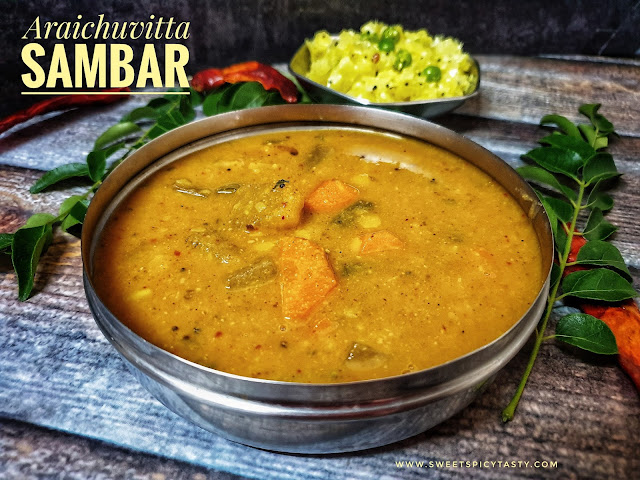
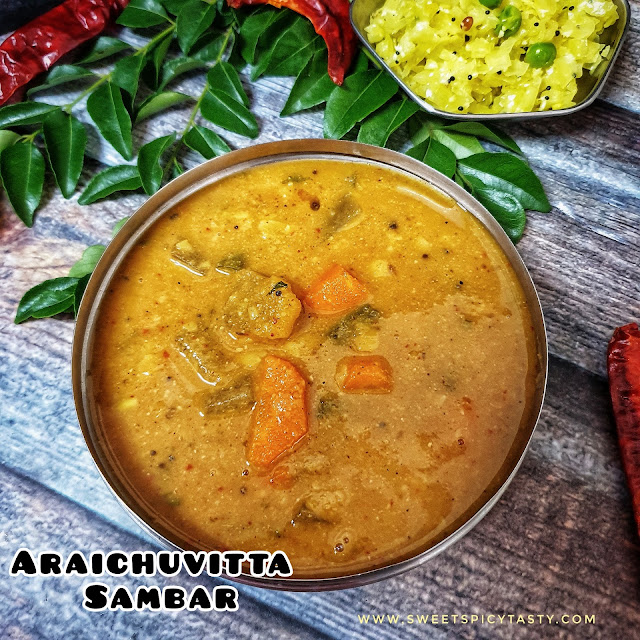
Araichuvitta Sambar is a typical and traditional recipe from Tamil Nadu.  We prepare a fresh spice mix and grind it with coconut and make sambar using this aromatic and flavorful spice mix.  Araichivitta sambar is made on special occasions like festivals or functions and even marriages.  

Araikardhu in Tamil means grinding..since we grind a fresh masala ,this sambar is known as Araichuvitta Sambar . 

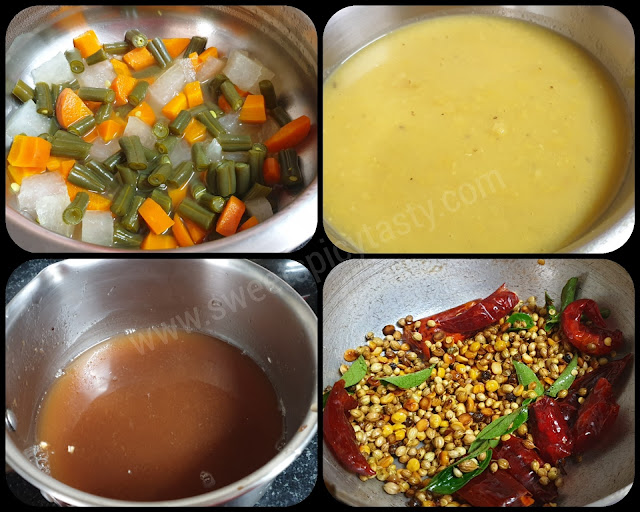
For araichuvitta sambar , we roast the dry spices until crisp and aromatic.  This is then ground along with fresh coconut to a fine paste.  Mixed vegetables are par boiled and then simmered in tamarind water until the raw flavor is lost to which is added the boiled thoor dhall and the coconut paste . The entire mixture is simmered until the dal and coconut mix blend well and you can experience a wonder aroma envelope your kitchen.  Lastly ,freshly prepared tempering of mustard seeds and asafoetida is poured over the piping hot sambar.  Serve it with hot rice and a nice stir fry of your choice . 


Preparation Time - 15 mins 
Cooking Time - 20 mins
Serves - 3 to 4
Complexity - medium 

Ingredients 

To roast & grind
2 tbsp dhaniya /corriander seeds 
1 tbsp channa dal 
1/4 tsp pepper corns 
Few fenugreek seeds 
4 to 5 dry red  chillies 
Few curry leaves 
3 tbsp fresh coconut 

For the sambar 
Chopped mixed vegetables (beans, carrot, ash gourd , capsicum , potato)
1 cup tamarind extract 
1/2 cup thoor dhall 
Salt as needed
Pinch of jaggery 
1tsp mustard seeds 
Pinch of asafoetida 

Method 


  • Par boil the chopped vegetables in 1 cup water with a little salt .
  • Pressure cook the thoor dhall with turmeric. The dhall must be mushy and soft . Adjust water accordingly. I normally use 2 cups of water for 1/2 cup thoor dhall and pressure cook for 3 whistles on medium flame .
  • Roast all the ingredients in 1tsp oil ( under the roast & grind ) except the coconut. Start with the channa dhall followed by the dhaniya,  curry leaves,  fenugreek seeds ,pepper and then red chillies. let it cool , then add the fresh coconut and grind it to a fine paste with sufficient water.


  • Add the tamarind extract to the par boiled vegetables and boil until the tamarind loses it raw flavor . 
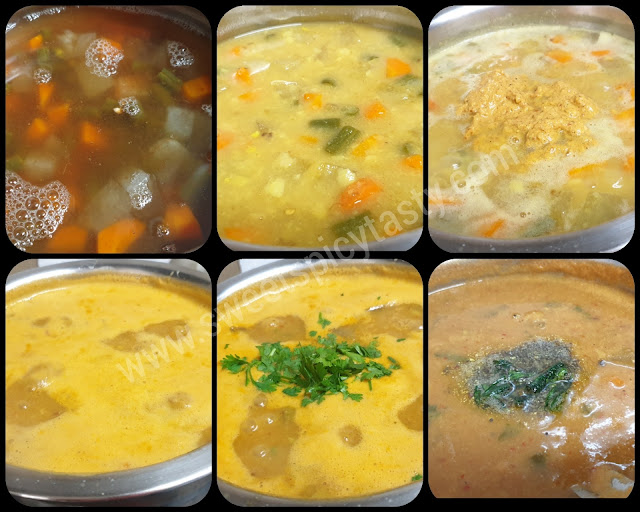
  • While the tamarind is simmering ,add the mashed thoor dhall ,adjust salt and bring to a rolling boil .
  • Add the coconut masala paste, quickly stir to mix it well .continue cooking until you see the sambar frothing . Be very attentive and keep stirring else the coconut paste has a tendency to stick to the bottom and burn giving a very bad taste.  Cook on low flame .
  • Once you see the sambar frothing and bubbling add the jaggery and fresh chopped corriander and turn off. 
  • Prepare a tempering of mustard seeds in hot oil with asafoetida and fresh curry leaves and pour it over the araichuvitta sambar .
  • Serve hot with rice,  ghee , vegetable stir fry and some papads.  I served Cabbage Peas stir fry alongside the araichuvitta sambar.